 Hey there! If you're trying to make it big in the global market with Nicotine Vape products, you’ve got to get a handle on all those import and export certifications. It’s a bit of a maze, right? That’s where SHENZHEN SHOWINTOP CO., LTD., or as you might know them, WOOMI, comes into play. They’re really stepping up the game with their top-quality e-cigarette gear and vape oils.
The e-cigarette industry is booming, and honestly, understanding the nitty-gritty of technical specs and regulatory requirements is a must if you want to stay compliant and succeed. In this blog, we’ll dive into some handy tips and insights to help you navigate the certification process like a pro.
We want to make sure your products not only hit those international standards but also really connect with consumers who are after top-notch quality and safety. So, let’s explore what it takes to shine in the Nicotine Vape scene together!
Understanding the Importance of Import and Export Certifications in the Vape Industry
Getting a handle on the world of import and export certifications is super important for anyone working in the vape industry. I mean, in today’s global market, really understanding these certifications not only boosts the credibility of your products but also ensures you're playing by the rules of various international regulations. When it comes to nicotine vape products, certain certifications can actually determine how you access the market and how much trust consumers place in your brand. So, it’s vital for manufacturers and distributors to keep these requirements at the forefront of their minds.
Here’s a tip: Do your homework on the specific certifications you need in your target markets. Different countries have their own unique regulations for vape products, and staying updated can really help you dodge some pretty costly mistakes and delays.
And let's face it, having those necessary certifications can really show consumers that your products meet the mark for safety and quality. That can be a huge edge in this competitive industry. Don’t forget, featuring those certifications in your promotional materials can help build brand loyalty and reassure customers that you're all about quality.
Another tip: Team up with compliance specialists who know the local regulations inside and out. They can make the certification process smoother and help ensure all your paperwork is squared away, reducing the chances of running into compliance issues down the road.
Key Global Regulations Impacting Nicotine Vape Product Certifications
You know, when it comes to the world of nicotine vape products, figuring out the certifications can be quite a challenge. In the Philippines, for instance, the Department of Trade and Industry (DTI) just put in place a rule that all vaporized nicotine products need to have a valid Philippine Standard (PS) License. This is a big deal for importers and manufacturers because it really stresses the importance of sticking to local regulations if they want to keep their foothold in the market.
And it's not just in the Philippines—things are changing all over. Look at Europe! Starting in 2024, a bunch of European countries are rolling out flavor bans and tightening the rules on disposable vape products. It's clear that there’s a trend toward more control over how people consume nicotine.
Over in the U.S., we’re seeing similar moves with new legislation popping up, like that proposed PMTA product directory in Tennessee. It’s all pointing to a greater emphasis on keeping a close eye on vape products.
So, the bottom line is that companies really need to keep their ears to the ground about compliance requirements and changes in different regions if they want to succeed in the international market for nicotine vapes. Staying ahead of the game in navigating these regulations is going to be super important for anyone looking to compete globally.
Step-by-Step Guide to Obtaining the Right Certifications for Vape Products
Navigating the tricky world of import and export certifications for nicotine vape products can feel like a maze, right? But don’t sweat it—getting the right certifications is totally essential. So, let’s break it down step by step to help out manufacturers and retailers like you figure out what to do. First off, you gotta do your homework on the regulatory requirements for the market you’re aiming for. Every country has its own set of rules about nicotine content, labeling, and safety testing, and they can vary a lot! Make sure you get familiar with the relevant agencies and what they expect from you; this will really help you streamline the whole compliance process.
Here’s a tip: Keep detailed records of every certification application you submit. This isn't just about staying organized; it’ll help you track your progress and speed things up for any future applications too. Also, don’t hesitate to chat with industry experts or legal advisors who know the ins and outs of vape regulations. Their advice can be super valuable to avoid any headaches down the road and to make sure you’re meeting all local and international standards without a hitch.
Once you've rounded up all the necessary documents, it’s time to send in those applications to the right authorities. Just a heads-up—be ready for extra inspections or questions because thorough checks are pretty standard in the vaping industry. Make sure you have your product samples on hand for testing if needed, and don’t forget to follow up on the status of your applications—stay proactive!
Oh, and here’s another tip: check out online tracking tools or platforms that help you manage your certification processes. Keeping everything organized can seriously cut down the time it takes to get compliant and get your nicotine vape products on the shelves.
Global Market for Nicotine Vape Products Certifications
This bar chart illustrates the number of certifications required to navigate the import and export regulations for nicotine vape products in different regions globally. Understanding these requirements can help businesses comply with local laws, ensuring the safe and legal distribution of their products.
Challenges and Common Mistakes When Navigating Certification Processes
 Getting through the certification process for nicotine vape products can be a real pain, and a lot of industry folks can back that up. For instance, a study from the Tobacco Products Scientific Advisory Committee (TPSAC) revealed that a whopping 30% of manufacturers stumble due to not keeping up with international standards. It's nuts how often this happens—usually because businesses misinterpret local rules. Take the EU’s Tobacco Products Directive, for example; it has some pretty strict testing and labeling requirements that are super different from what we see in the U.S. market.
Then there’s the whole documentation mess. A report from the Global Tobacco Control team mentioned that around 40% of companies are falling short in proving their products are safe. This often gets them into hot water with certifying bodies, which means their products might get rejected. So, it's crucial for manufacturers to get their paperwork straight. Solid, clear documentation doesn’t just make certification easier; it builds trust with consumers, too. Many companies find it worthwhile to invest time and money into really understanding these regulations, and they team up with legal experts to dodge the common pitfalls in the certification journey.
Best Practices for Staying Compliant in a Dynamic Market
Dealing with the ins and outs of import and export certifications in the nicotine vape products game can feel a bit overwhelming, can’t it? But staying on top of those regulations is absolutely vital, especially since the market is changing so fast. According to a report from the World Health Organization, the global vaping market is set to hit a whopping $50 billion by 2025. So, keeping compliant is more crucial now than ever. Remember, every country has its own set of rules, and if you want to avoid expensive fines or legal headaches, making sure your products meet those standards is key.
**Tip 1:** Make it a habit to regularly check in on the international regulations. Countries tend to tweak their certification processes every now and then, so setting up a system to monitor compliance can be a real lifesaver. Plus, teaming up with local legal experts can really help you navigate those tricky certification waters in different markets.
**Tip 2:** Don't overlook the power of training for your staff on compliance and regulations. Having a well-informed team is like having your own safety net against any potential violations. A 2022 industry report found that companies with solid training programs had about a 30% lower rate of compliance issues, which really highlights just how important it is to educate your crew.
By taking these steps, businesses not only stay compliant but also have a better shot at thriving in this constantly shifting nicotine vape products landscape.
How to Leverage Certifications for Competitive Advantage in the Vape Industry
Let's talk about the vape industry for a sec! It's changing super fast, right? And if you want to stand out in this competitive space, you really need to pay attention to your certifications. These days, people are more health-conscious than ever, and with regulations tightening up, it's essential for manufacturers to grab the right certifications. Think about it—when companies display their certifications, they’re not just showing off; they’re building trust with customers. It proves that their products are safe and of good quality, which is a big deal in such a crowded market. For instance, getting an ISO quality assurance label or making sure you meet local health regulations can really sway buyers' decisions. Those little badges of honor can be game-changers for any vape brand.

But hey, it’s not just about ticking boxes—it's also about how to use these certifications to your advantage. Smart marketing is key! You can stick those certification logos on your packaging, flaunt them in your ads, or even bring them up in chats with customers to show you're serious about safety and quality. This way, you’re not only catching the eye of savvy shoppers but also boosting your street cred with retailers and distributors. It’s a clever strategy that not only enhances how people see your brand but also opens up new doors in the market, helping you grow in a world that's pretty competitive on a global scale!

 Pixo 50K Pro
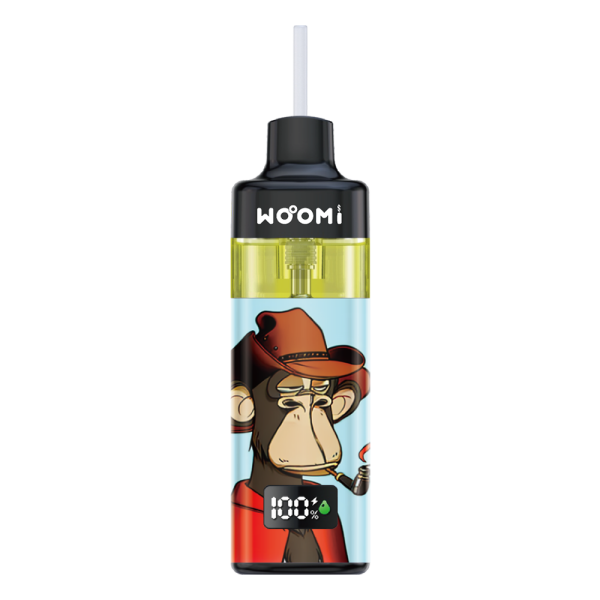 ECOM 24000
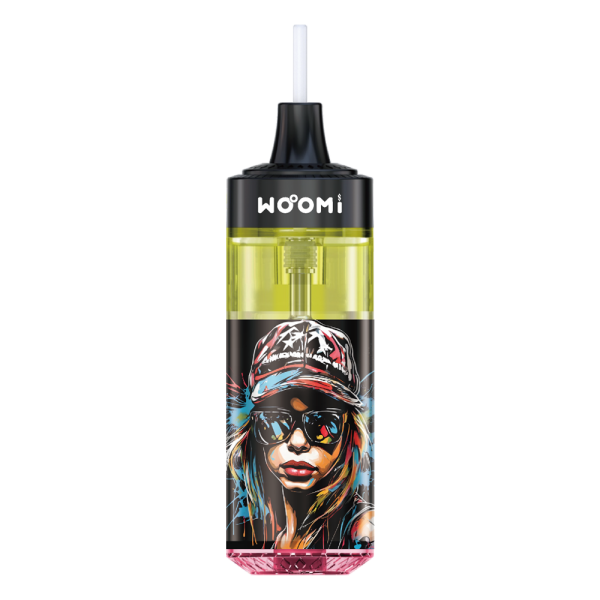 TANGO 24000
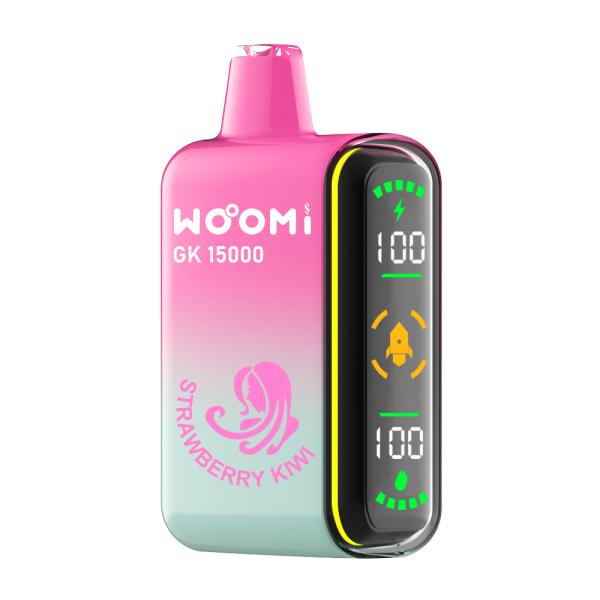 GK 15000
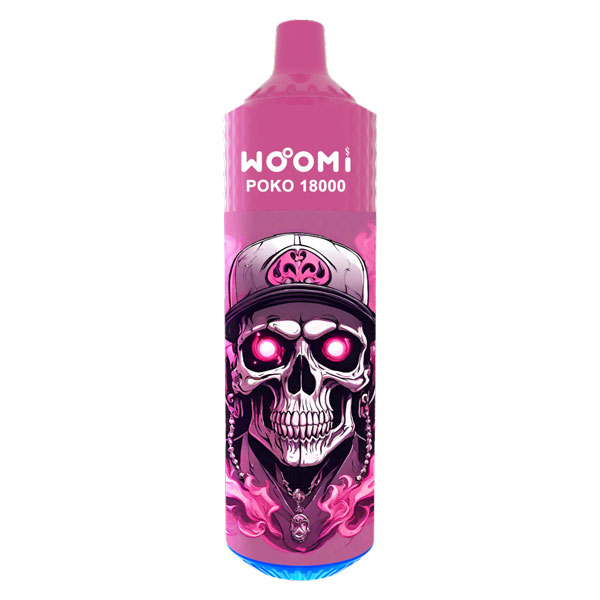 Poko 18000
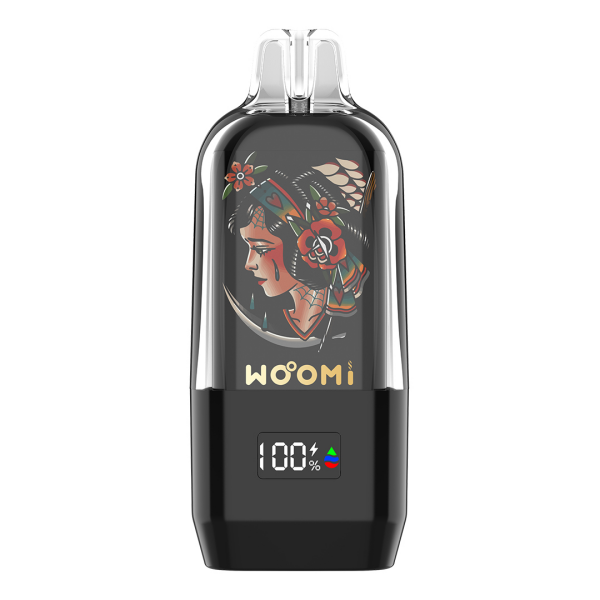 Halo 15000
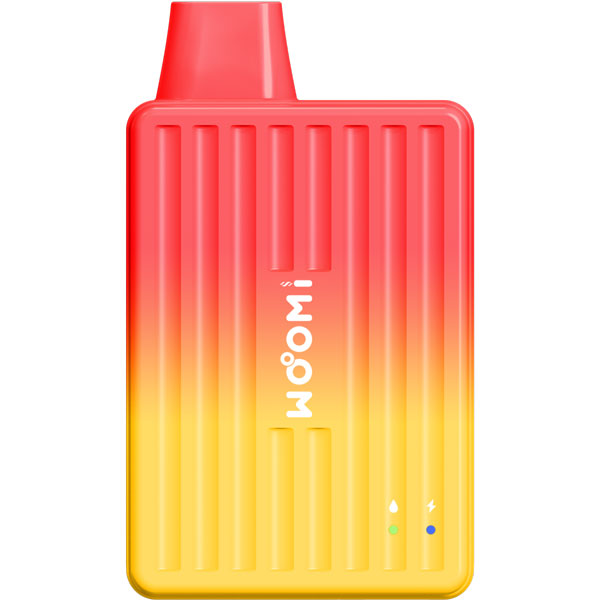 Jupiter 10000
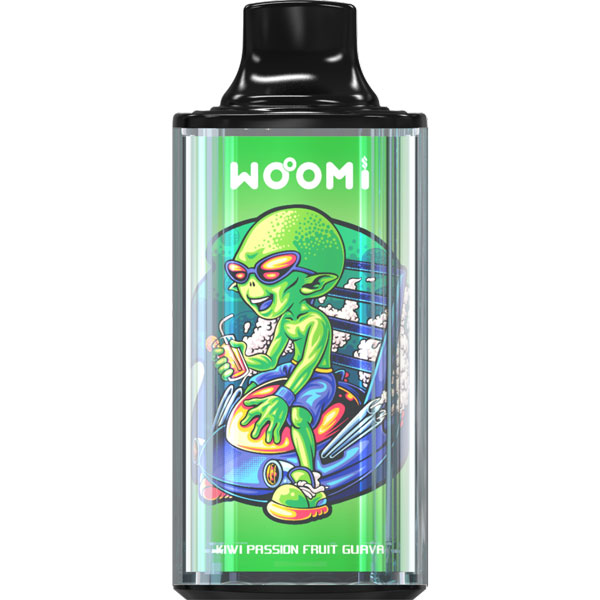 Space 18000
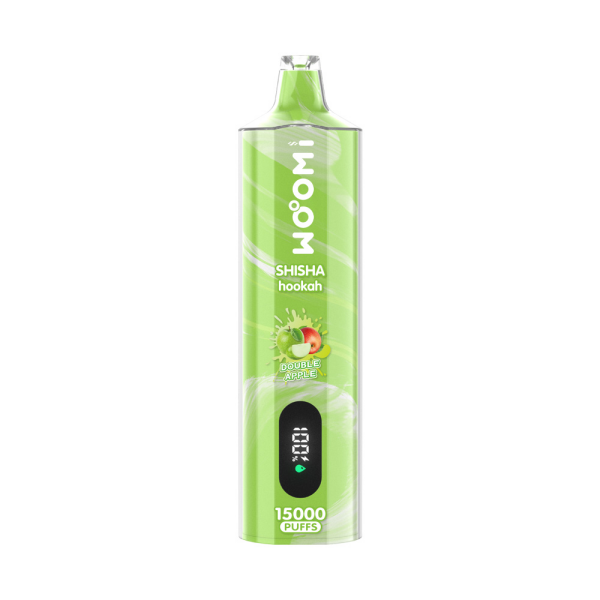 Glow 15000
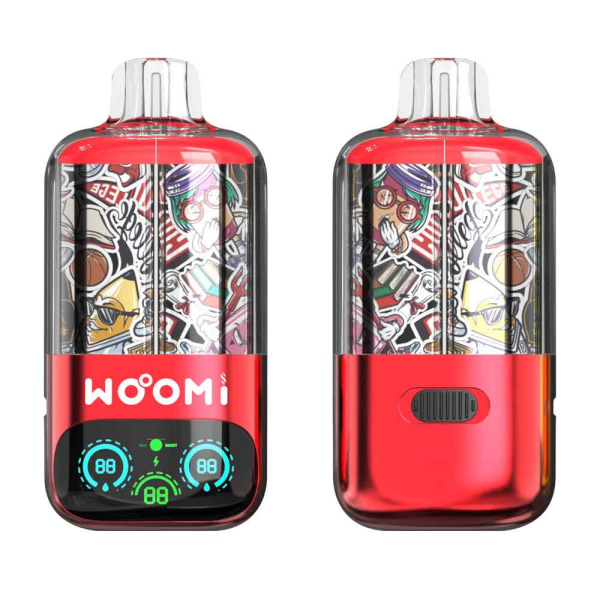 Twin 20000
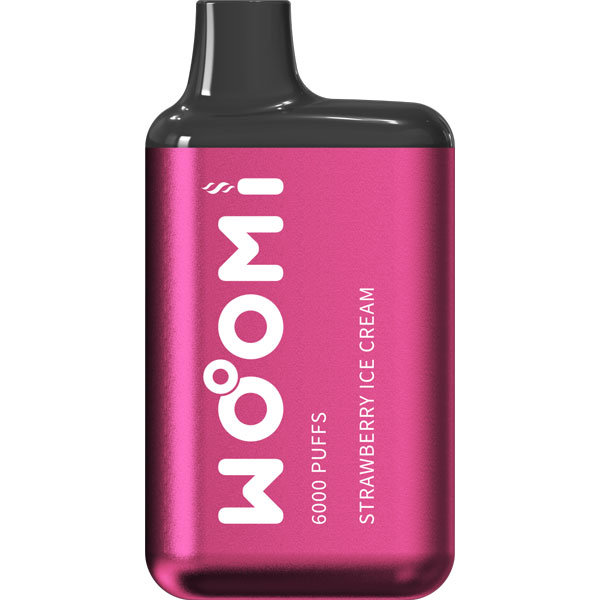 Venus 6000
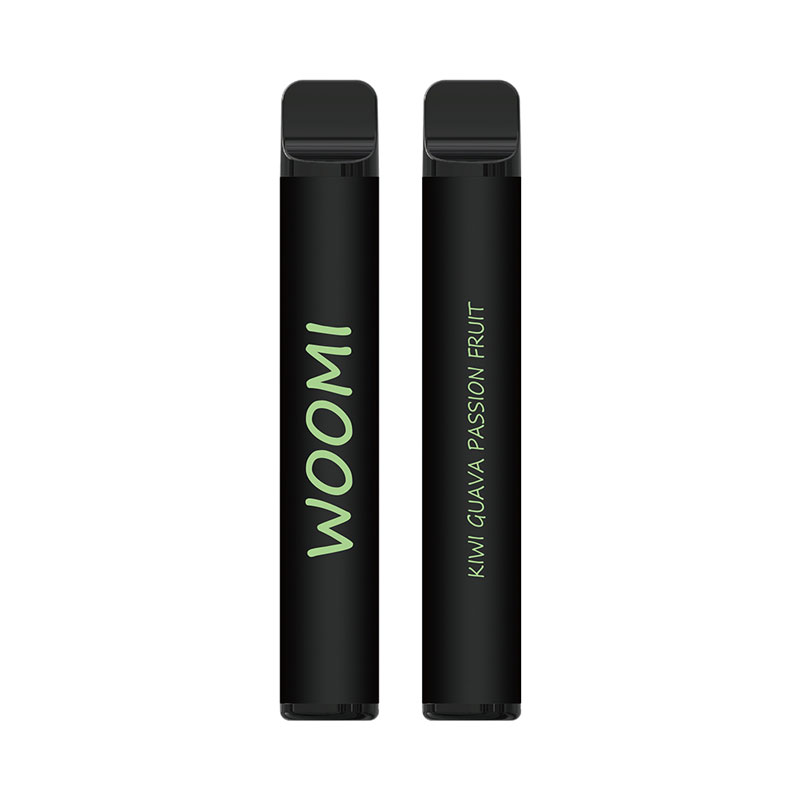 Rock 600
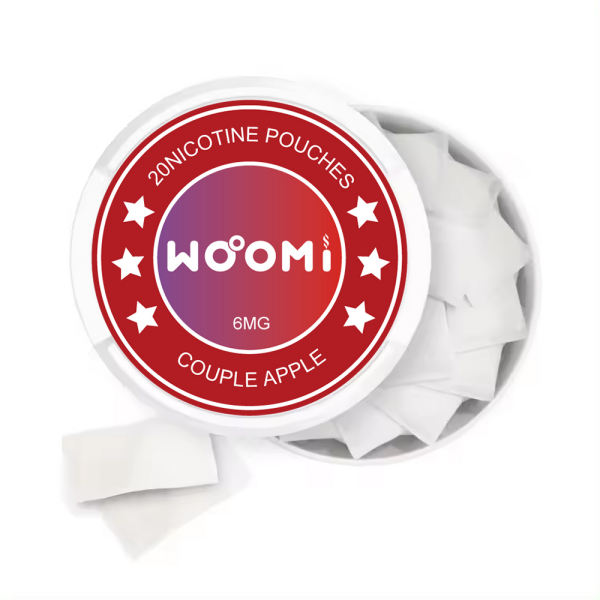 3mg
3mg 6mg
6mg 12mg
12mg Arise
Arise Gemini
 Leo
Leo Libra
Libra


