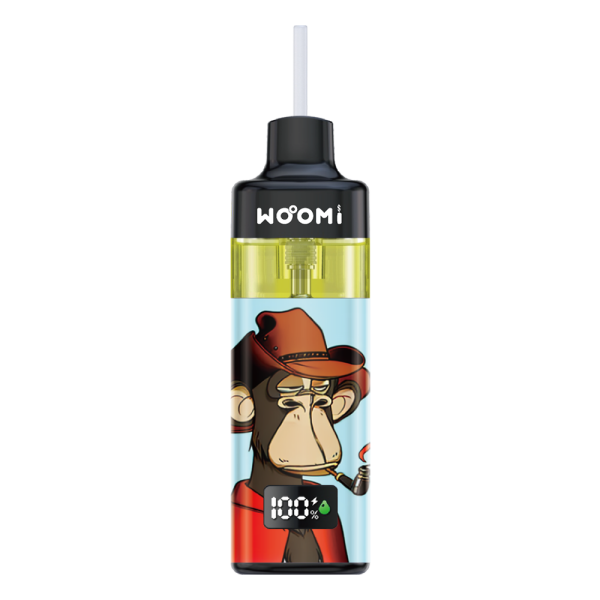
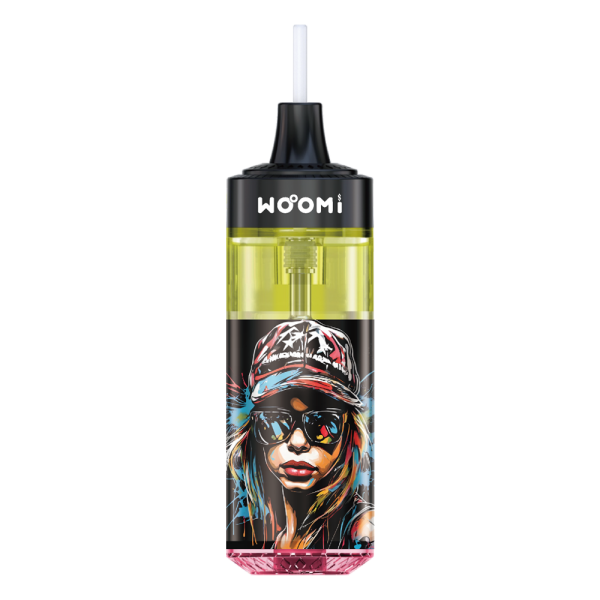
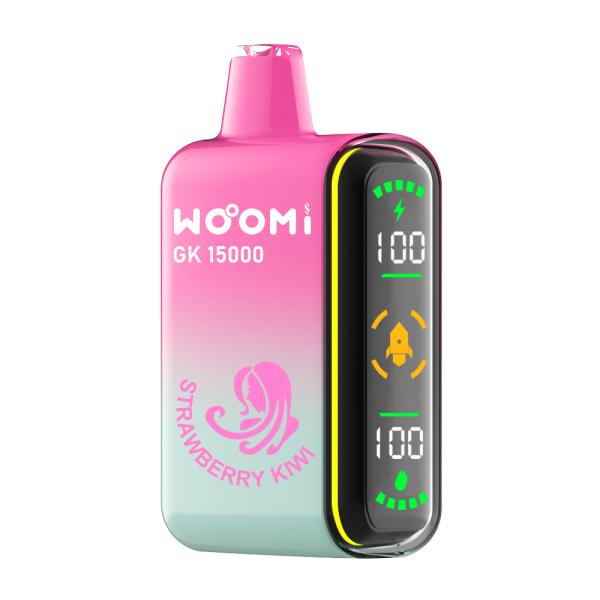
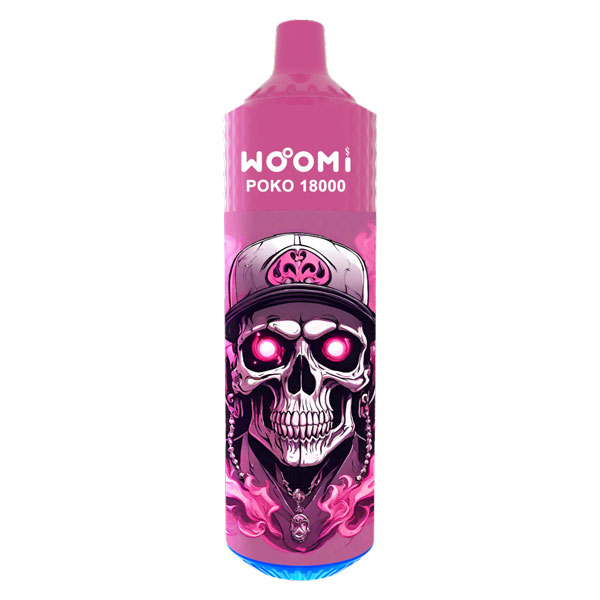
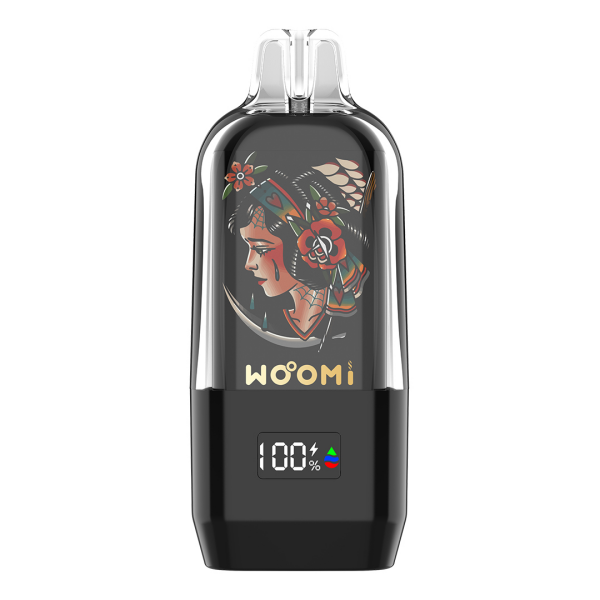
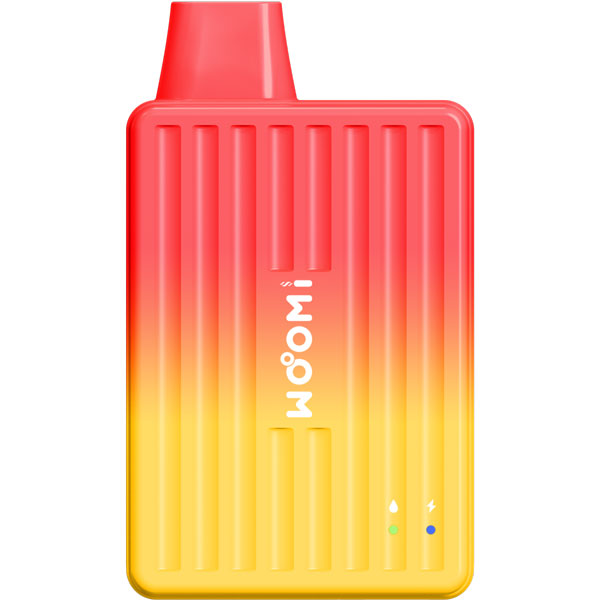
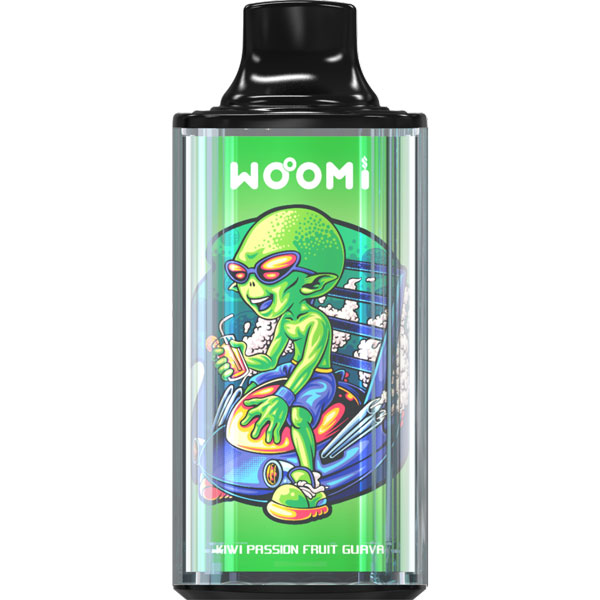
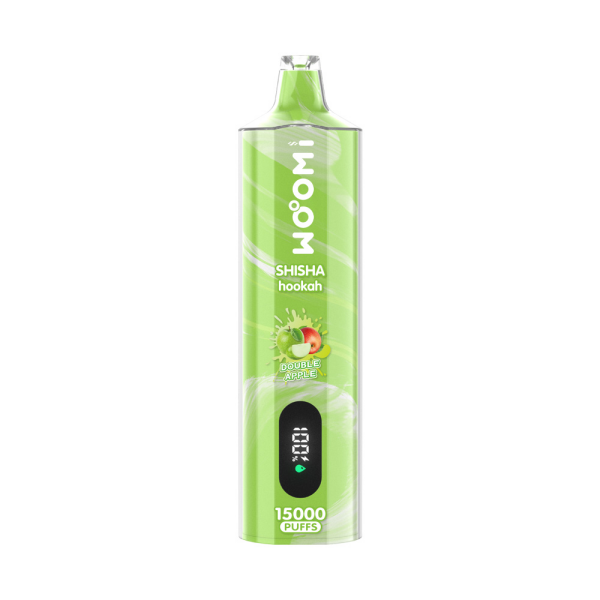
Lately, Puff Vapes have been gaining pretty quick popularity among young folks. As more people start exploring vaping, it’s really important to get a good handle on what’s involved. Dr. Alex Reynolds, a well-known researcher in this area, keeps saying, “Knowing your stuff is key to making smart choices about Puff Vapes.”
A lot of users are really into the wide range of flavors and the fact that Puff Vapes are super easy to use. But, at the same time, it’s crucial to be aware of potential risks. Some folks might just ignore the health side of things when they’re inhaling vaporized substances. Yeah, Puff Vapes can be tempting, but they definitely come with their own set of concerns.
Plus, it’s worth thinking about *why* you want to try Puff Vapes in the first place. Are you doing it because your friends are or just out of curiosity? Asking yourself these questions can actually help you have a way more mindful vaping experience. In the end, really understanding what Puff Vapes are all about takes some careful thinking and a bit of willingness to learn.
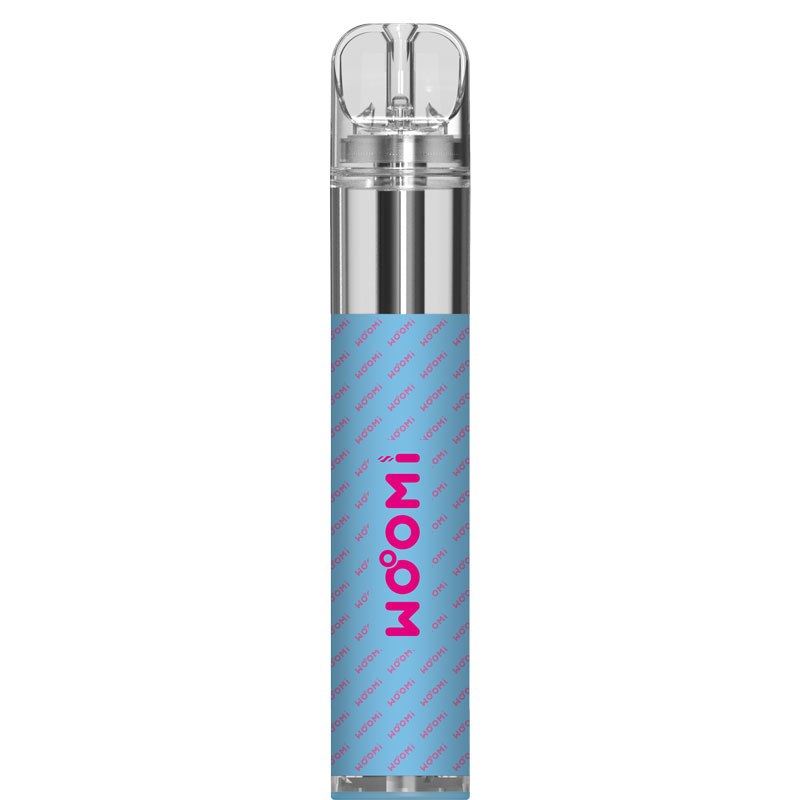
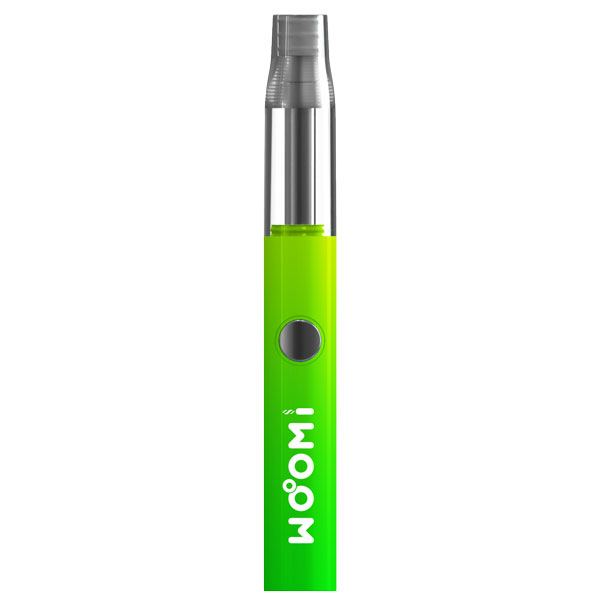
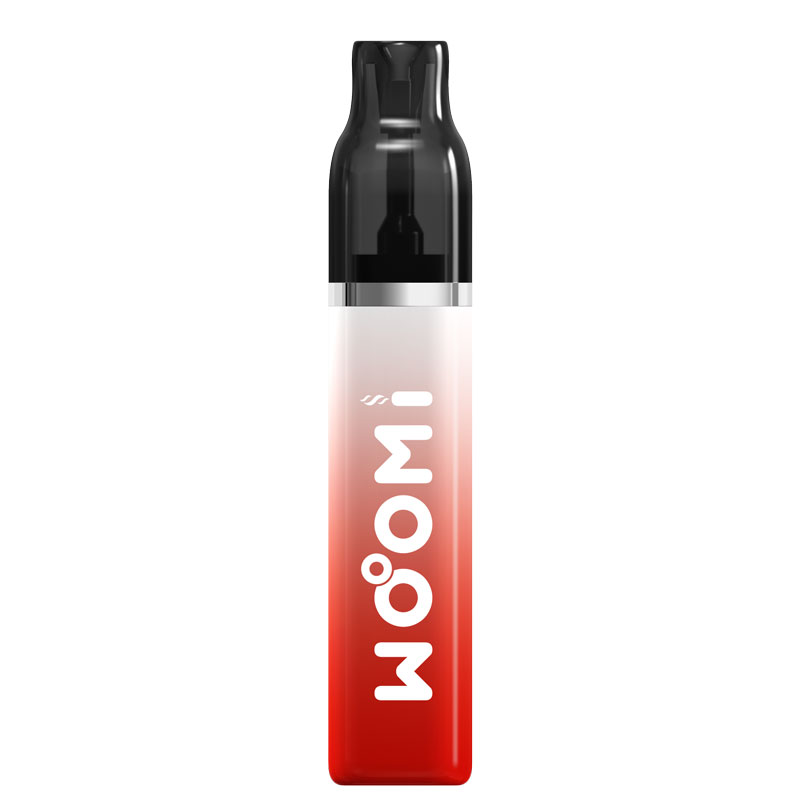
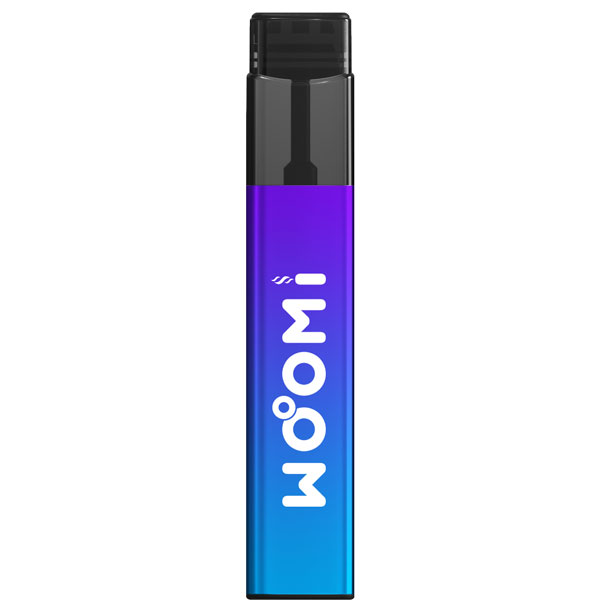
Puff vapes have gained popularity among those seeking a different way to experience flavors. These devices are designed to be handy and user-friendly. They typically contain a battery, a heating element, and a cartridge filled with liquid. Users inhale through the mouthpiece, releasing vapor flavored with various notes, from fruity to minty.
Understanding puff vapes means knowing their usage. Many are disposable, while others are refillable. Each has unique features that appeal to different users. The allure often stems from a desire to explore new tastes without traditional smoking. However, this can lead to impulsive decisions. Some users may overlook risks associated with inhaling heated substances. It’s essential to reflect on why one chooses to vape in the first place.
The experience can vary widely. Some may find puff vapes enjoyable, while others may not. It’s crucial to pay attention to one’s body. If something feels off during usage, reconsidering the choice is wise. This modern trend is tempting, but awareness of its implications is vital. Choosing to vape is a personal decision that deserves careful thought.
In recent years, puff vapes have surged in popularity, appealing to many users with their sleek designs and flavorful options. The market has seen a drastic increase in the number of users, particularly among younger demographics. Stats show that a significant percentage of first-time users are drawn in by the variety of flavors available. These alluring options can create a tempting atmosphere that entices consumers to experiment.
Interestingly, the puff vape market is not just about the products themselves. Manufacturers are focusing on user experience, as well. OEM Puff Puff models are becoming favorites for those seeking customization. However, amidst this rise, there are concerns that cannot be ignored. Health impacts are still under research. Users often ignore potential risks in favor of trendy vapes. It raises questions about long-term effects versus immediate gratification.
Additionally, many users are unaware of the differences in quality among products. Cheaper alternatives might lead to a subpar experience. Many first-time users may not consider this when choosing their puff vapes. Awareness is essential as the market continues to expand rapidly. The intersection of innovation and health demands careful thought.
Puff vapes have become popular among many users. However, understanding their health impacts is vital before trying them. Recent research shows mixed findings. Some studies suggest potential lung issues and other respiratory problems. Users may overlook these risks in pursuit of a trendy experience.
Tips: If you decide to try puff vapes, be cautious. Start with a low dosage to understand your response. Monitor how your body reacts. Don't ignore negative feelings or discomfort. Recognizing your limits is crucial.
Additionally, investigate how often you plan to use puff vapes. Habitual use could lead to more severe health risks over time. The research is ongoing, and the long-term effects of ODM Puff Puff remain unknown. Staying informed is key to making safe choices. Always consult medical advice if uncertain about usage. It's better to be safe than to regret later.
When comparing puff vapes to traditional cigarettes, it’s important to consider various statistics. Studies show that vaping devices often contain fewer harmful chemicals than cigarettes. For instance, smokers inhale tar and toxic substances. Vapes typically produce vapor with lower harmful content. This difference has intrigued many users.
However, we can't overlook the concerning details. Some research indicates that puff vapes may still have health risks. Nicotine levels can be high, leading to addiction. The long-term effects remain unclear. This ambiguity prompts users to reflect on their choices. Many may underestimate the impact on their health or consider it a safer alternative without sufficient evidence.
People are drawn to puff vapes, but they should analyze their options carefully. The convenience of these devices is appealing. Yet, the social perception is shifting. More individuals are questioning the safety of vaping. Awareness is growing, and so should the caution. Making informed decisions is vital in a landscape filled with conflicting information.
| Aspect | Puff Vapes | Traditional Cigarettes |
|---|---|---|
| Average Nicotine Content (mg) | 3 - 6 | 10 - 20 |
| Flavor Options | Variety (Fruits, Desserts, etc.) | Tobacco, Menthol |
| Tar and Other Chemicals | Minimal | High |
| Health Risks | Uncertain Long-term Effects | Well-documented |
| Average Cost per Use | $0.50 - $1.00 | $6.00 - $10.00 |
| Social Acceptance | Increasingly Popular | Declining |
The regulatory landscape for puff vapes is complex and varies by location. Many countries are still adapting to the rise of these products. Some regions have strict age restrictions. Others impose regulations on flavors and marketing. This patchwork of laws can be confusing for consumers. It's vital to stay informed about local rules.
In the U.S., the FDA oversees regulations for puff vapes. They focus on health standards and consumer safety. Many local governments also implement their own rules. For example, some places ban specific flavors. Others limit the locations where these products can be sold. This creates a challenge for users looking for the "Best Puff Puff." Navigating these regulations requires diligence.
Understanding these guidelines is essential before trying puff vapes. Missteps can lead to fines or product confiscation. Always check local laws. Informed choices lead to safer experiences. Awareness of the current landscape helps prevent potential issues. Engaging in puff vapes means you must be responsible and cautious.
Puff vapes have gained rapid popularity among many users. However, safety concerns arise with their common ingredients. Many puff vapes contain propylene glycol and vegetable glycerin. These are often deemed safe for food use but can cause irritation when inhaled. The long-term effects of inhaling these substances are not well-studied.
Another ingredient often found in vapes is nicotine. It's addictive and can lead to dependence. Users might think that controlling their intake is easy, but this can be deceptive. Some puff vapes, especially the "Cheap Puff Puff" options, may contain higher nicotine levels than expected. It’s crucial to check the label for accurate information.
Flavoring agents may also pose risks. Many flavorings, while appealing, lack research on their safety when vaporized. Diacetyl, used for buttery flavors, is known for causing lung disease with inhalation. Awareness of these potential dangers is essential for informed choices. Users need to consider whether the appealing experience is worth the possible health risks. Staying informed can make a difference in protecting one’s health.
Puff vapes have gained popularity among various demographics, particularly younger audiences. A recent survey found that nearly 60% of vape users are between 18 and 24 years old. Many young adults are drawn to puff vapes because they believe these products provide a safer alternative to traditional smoking. However, this perception may not align with reality.
Research from the National Institute on Drug Abuse (NIDA) highlights concerning trends. Many users report starting vaping out of curiosity or peer influence. About 40% cited social situations as a key factor in their use. This raises questions about the motivations behind their choices. Are they fully aware of the potential risks?
Another study by the CDC shows that flavor variety significantly influences user choice. Over 70% of users prefer fruit or candy flavors. This trend points to a deliberate marketing strategy targeting younger consumers. Although puff vapes may appear harmless, the long-term implications remain unclear. More discussions are necessary about their effects on health and social acceptance.
: The main purpose is to improve personal well-being and self-awareness.
Begin by setting aside a few minutes each day for quiet reflection.
Focus on your thoughts, feelings, and experiences without judgment.
Yes, regular practice can reduce stress and enhance mental clarity.
There isn’t a strict method; find what feels right for you.
Yes, group sessions can provide support and shared experiences.
It’s about personal comfort, not a specific standard.
Yes, distraction is common. Acknowledge it and gently return to focus.
Daily practice is ideal, but consistency matters more than frequency.
If overwhelmed, it may help to slow down and take breaks.
Puff vapes have gained significant popularity in recent years, characterized by their convenience and variety of flavors. This article explores the definition and usage of puff vapes, as well as market trends that have contributed to their rise. Health impacts are a critical area of discussion, with research indicating various effects on users compared to traditional cigarettes. Additionally, the article provides a comprehensive overview of the current regulatory landscape governing puff vapes, including laws and guidelines that aim to ensure consumer safety.
Furthermore, safety concerns are examined, particularly regarding the common ingredients found in puff vapes. User demographics are also analyzed, revealing who is using these products and the motivations behind their popularity. Overall, the article serves as a valuable resource for individuals considering puff vapes, ensuring they are informed about the associated health implications and regulatory aspects before trying these products.