171732xs8
Leave Your Message
0%

So, the rise of nicotine vapes has definitely sparked quite a bit of debate lately. A lot of folks compare it to smoking traditional cigarettes and say it's a safer option — but honestly, the full health effects are still kinda up in the air. There are some studies hinting at potential risks, but many users tend to overlook or downplay these dangers. What really draws people in are the endless flavor options and the idea that it's less harmful, at least in their minds.

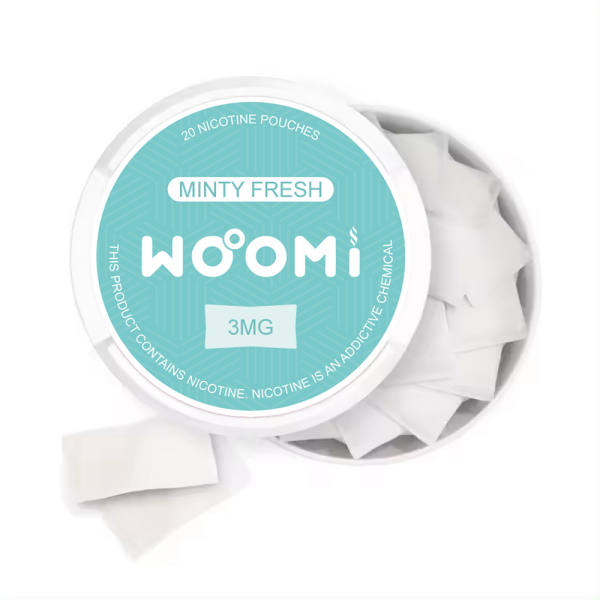
Some people swear that products like [Nicotine Pouches Low Nicotine](https://www.woomivaping.com/nicotine-pouches-low-nicotine) can help them kick smoking altogether, but results really vary from person to person. Even if you’re not feeling any side effects at first, vaping can cause respiratory issues down the line — which, of course, we're still learning about. Plus, since the industry isn’t tightly regulated, there's always concern about product quality and safety.

On top of that, the social scene around vaping really influences how people see it. Friends might push it as a cool, trendy thing to do, but honestly, it’s important to step back and question whether it’s really a good idea. Staying informed and thinking critically can help us make smarter choices. The more we understand about the real effects of nicotine vapes, the better — for our own health and for society as a whole.

What are the Effects of Nicotine Vape on Health?

Overview of Nicotine Vaping and its Popularity

Nicotine vaping has surged in popularity over recent years, especially among young adults. According to a 2021 report from the Centers for Disease Control and Prevention (CDC), vaping among high school students increased to 19.6%. This statistic highlights a growing trend as alternatives to traditional smoking gain traction. Many perceive vaping as less harmful. However, the long-term health effects remain largely unknown.

A study published in the Journal of Adolescent Health indicated that a significant portion of young users mistakenly believe that vaping is completely safe. Around 40% of high school students felt vaping posed no dangers. This misconception can lead to increased usage and dependency on nicotine. Additionally, the flavor variety in vaping products appeals to younger demographics, making them more enticing.

While vaping is marketed as a smoking cessation tool, its effectiveness is debated. Some studies show minimal success rates for quitting traditional cigarettes. Users might find themselves stuck in a cycle of nicotine addiction. Reports suggest that 80% of adult users also began using nicotine products during their teenage years. The rising popularity of vaping calls for a deeper examination of its implications on public health.

Chemical Composition of Nicotine Vapes and How They Work

The chemical composition of nicotine vapes includes a variety of ingredients. Propylene glycol and vegetable glycerin are common bases. These substances help produce vapor when heated. Flavorings are often added for a more enjoyable experience. However, some flavorings can contain harmful chemicals.

Understanding how nicotine vapes work is essential. A battery heats the e-liquid, turning it into vapor. Users inhale this vapor. It delivers nicotine quickly, which can be addictive. Studies suggest that while vapes may be less harmful than traditional cigarettes, they are not without risks.

**Tip:** When exploring alternatives like Nicotine Gum Vs Nicotine Pouches, consider your needs. Nicotine gum provides a slower release of nicotine. Pouches may offer more convenience and flavor options. Both have their pros and cons.

Many users overlook the importance of reading ingredient labels. Some might assume all ingredients are safe, but that isn't true. An informed choice is crucial for health. Take time to evaluate your options.

Short-Term Health Effects of Nicotine Vape Use

What are the Effects of Nicotine Vape on Health?

Nicotine vape use has gained popularity among many young adults. Many consider it a safer alternative to traditional smoking. However, the short-term health effects can raise significant concerns. Users often report symptoms like increased heart rate and heightened anxiety shortly after vaping. These changes can be alarming, especially for new users.

In many cases, these short-term effects might not feel severe. But they can lead to some discomfort. Individuals may experience throat irritation and coughing. Some may even notice headaches. These impacts might seem minor, yet they are signals of your body reacting. It’s crucial to monitor how you feel after each use. Choose alternatives, such as Nicotine Pouches Without Nicotine, to explore other options for stress relief.

Moreover, the social aspect of vaping can complicate its health impacts. Users might find themselves vaping more often in social settings. This increases exposure and potential health risks. It's worth considering the long-term implications of these habits. Reflecting on these choices can help clarify priorities and health goals.

Long-Term Health Risks Associated with Vaping Nicotine

What are the Effects of Nicotine Vape on Health?

Vaping has gained popularity among many, especially the youth. However, the long-term health risks associated with nicotine vaping should not be overlooked. Research indicates that regular exposure to nicotine can lead to addiction. This dependence may make it difficult for individuals to stop using these products.

Respiratory issues are a significant concern linked to vaping. Users may experience persistent coughing and irritation in the airways. Over time, this can lead to chronic bronchitis or other lung ailments. Notably, some may underestimate the impact on their cardiovascular health. Nicotine can elevate heart rate and blood pressure, raising the risk of heart disease.

Moreover, while looking for alternatives, many search for "Nicotine Free Disposable Vape Near Me." This trend highlights a desire to reduce nicotine intake. However, it’s essential to consider that even without nicotine, vaping can still carry risks. Chemicals in vape liquids can harm lung function and overall health. Users must reflect on their choices and the potential long-term effects on their health.

Comparison of Vaping and Traditional Smoking Effects

Vaping has gained popularity as an alternative to traditional smoking. Many people believe it is a safer option. However, the health effects of vaping are still concerning. A report from the American Lung Association states that e-cigarettes can contain harmful substances. These include heavy metals and fine particulate matter.

Research shows that vaping may still damage lung tissue. A study published in the journal Tobacco Control highlights that vaping can lead to chronic bronchitis symptoms. Traditional smokers often experience these issues, but vapers might face similar risks. The difference lies in the absence of tar and some carcinogens found in cigarettes. Yet, it's important to note that this does not make vaping risk-free.

A survey conducted by the CDC revealed that 32% of high school students used e-cigarettes in the past month. This alarming statistic raises concerns. Many young users think vaping is harmless. Yet, studies show nicotine impacts brain development in adolescents. The perception of vaping as a safer alternative is misleading. The truth is that both methods carry their own health risks.

Nicotine Addiction and Its Implications for Vape Users

Nicotine addiction is a pressing concern for many vape users. Research indicates that approximately 30% of vapers develop a dependence on nicotine within the first few months of use. This is alarming, as nicotine can rewire the brain's pleasure pathways. Many users find themselves increasing their intake, leading to higher addiction levels.

The health implications of nicotine addiction are significant. According to a report from the Centers for Disease Control and Prevention (CDC), long-term nicotine use can impair lung function and cardiovascular health. Vapers often believe that they have a safer alternative to smoking. However, some studies suggest that the risks of addiction can equal those associated with traditional tobacco products.

Moreover, the social stigma surrounding nicotine addiction remains. Many vapers initially turn to vaping to quit smoking. Yet, they may find themselves in a cycle of dependence. A survey revealed that about 50% of vape users want to quit but feel unable to do so. The complexity of addiction can leave individuals trapped in a loop of short-term satisfaction and long-term health risks. Recognizing these patterns is essential for anyone considering vaping as an alternative.

Public Health Perspectives and Regulations on Nicotine Vaping

Nicotine vaping has emerged as a controversial topic in public health discussions. Countries around the world are reevaluating their regulations on vaping products. Many see vaping as a less harmful alternative to smoking. However, the long-term health effects of nicotine vape are still uncertain. Researchers are investigating the impacts on respiratory and cardiovascular health. Questions remain about the addictive nature of these products.

Tips: If you're considering vaping, be aware of how it may affect your health. Look for studies and reports from credible sources. Stay informed about any new regulations in your area.

The rise of Disposable Nicotine Vape devices complicates this issue. They are convenient but may lead to increased use among young people. Many find them easy to access and discreet. This raises concerns about nicotine addiction among adolescents. Public health officials are discussing measures to limit youth access to these products. More awareness and education are needed to guide safe use.

Tips: Always check your local laws regarding vaping. Limit use if you notice symptoms like coughing or headaches. Talk to healthcare professionals if you're unsure about the risks.

What are the Effects of Nicotine Vape on Health? - Public Health Perspectives and Regulations on Nicotine Vaping

Health Impact Description Public Health Perspective Regulations
Respiratory Issues Nicotine vaping can cause chronic bronchitis and reduced lung function. Increased concern among health organizations about long-term effects. Some regions require warning labels and limit indoor use.
Cardiovascular Effects Can lead to elevated heart rate and blood pressure. Studies linking vaping to increased risk of heart disease. Regulations on marketing to minors due to health risks.
Addiction Nicotine is highly addictive, leading to dependence on vape products. Public health campaigns aim to prevent youth addiction. Age restrictions for purchase and use of vaping products.
Mental Health Impacts Potential links to anxiety and mood disorders. Growing concerns about mental health effects among users. Ongoing discussions on health warnings about mental health risks.
Exposure to Toxic Chemicals Incomplete combustion of e-liquids can release harmful substances. Public health advocates call for stricter safety testing. Some countries mandate ingredient disclosure on vape products.

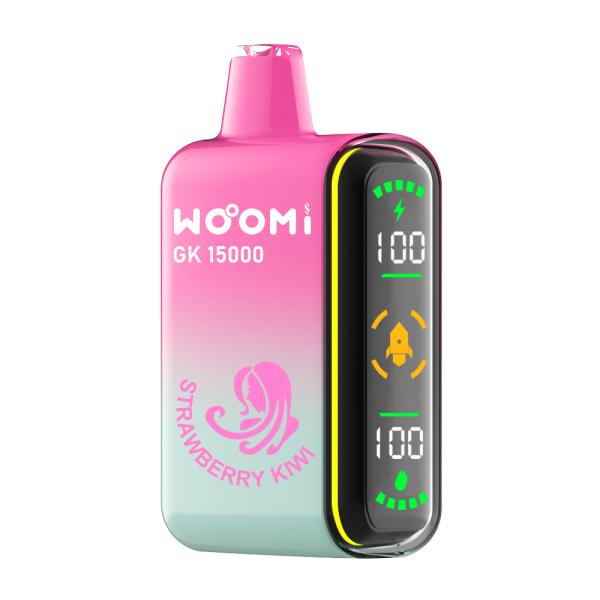
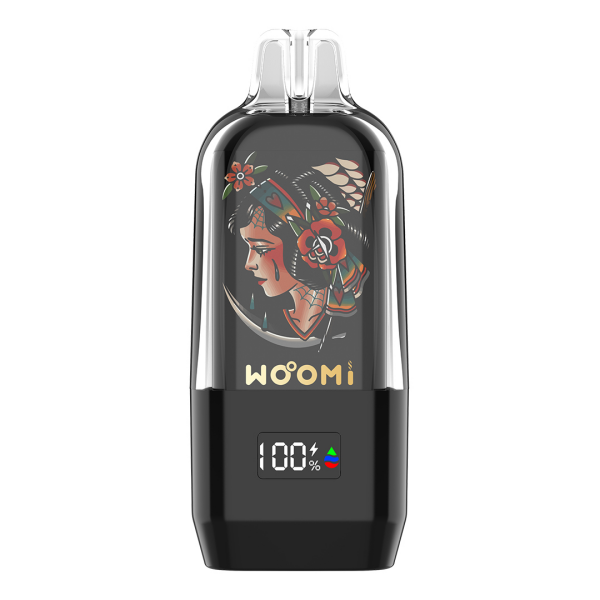
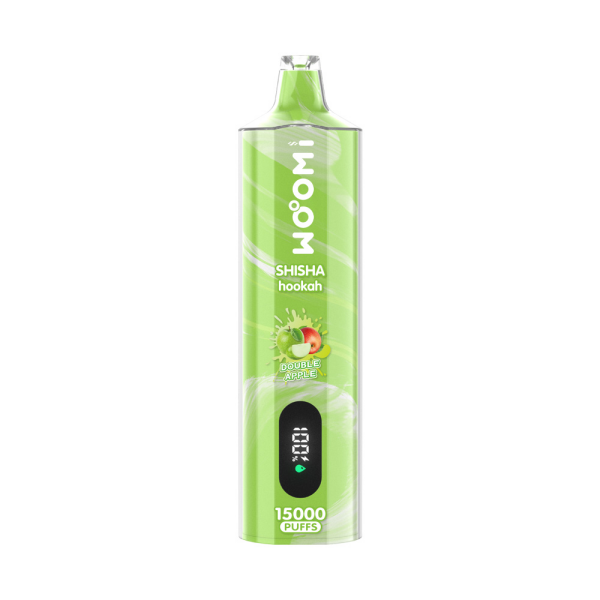
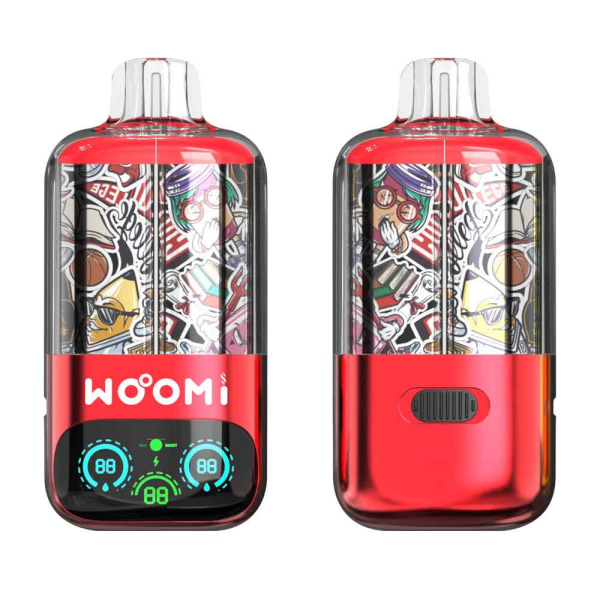
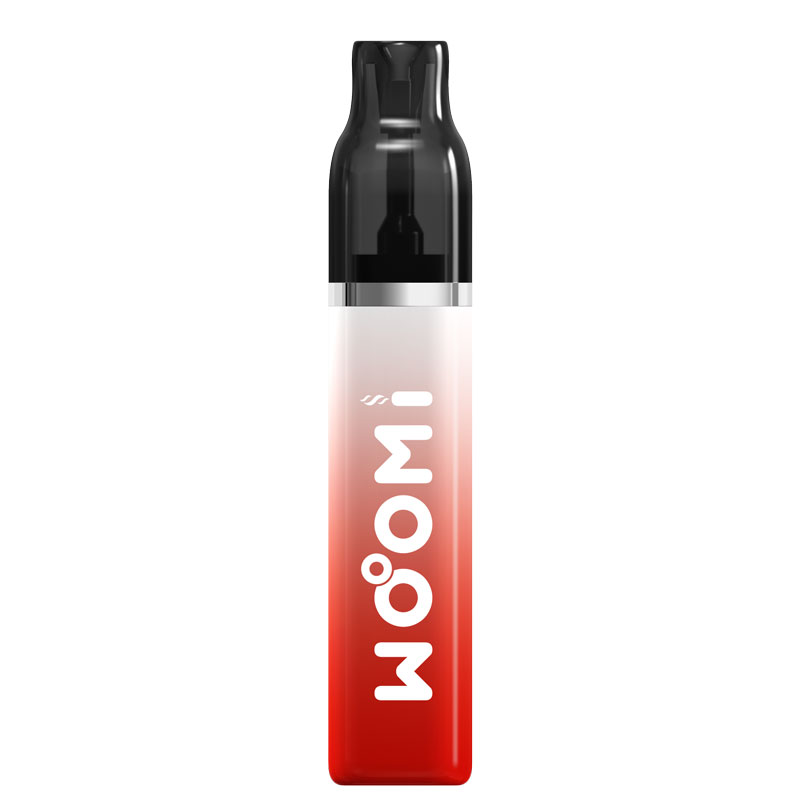
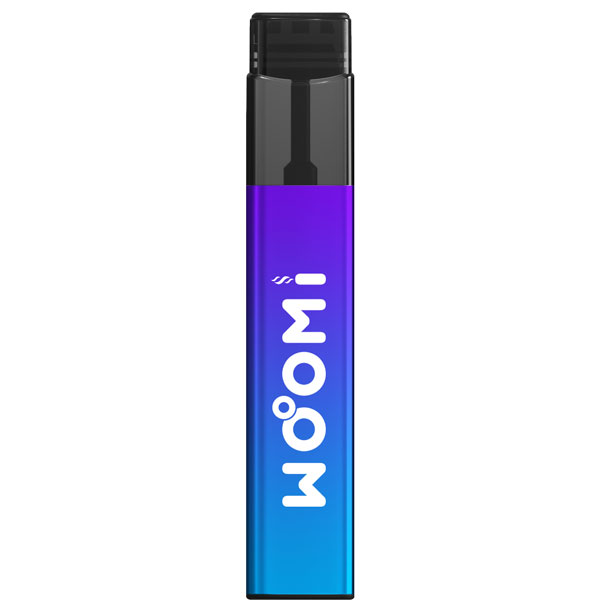
Exploring the Woomi Disposable Vape: The Ultimate Guide to EU Warehouse Puffs Bar and RandM Tornado 18000 E-Cigarette Experience

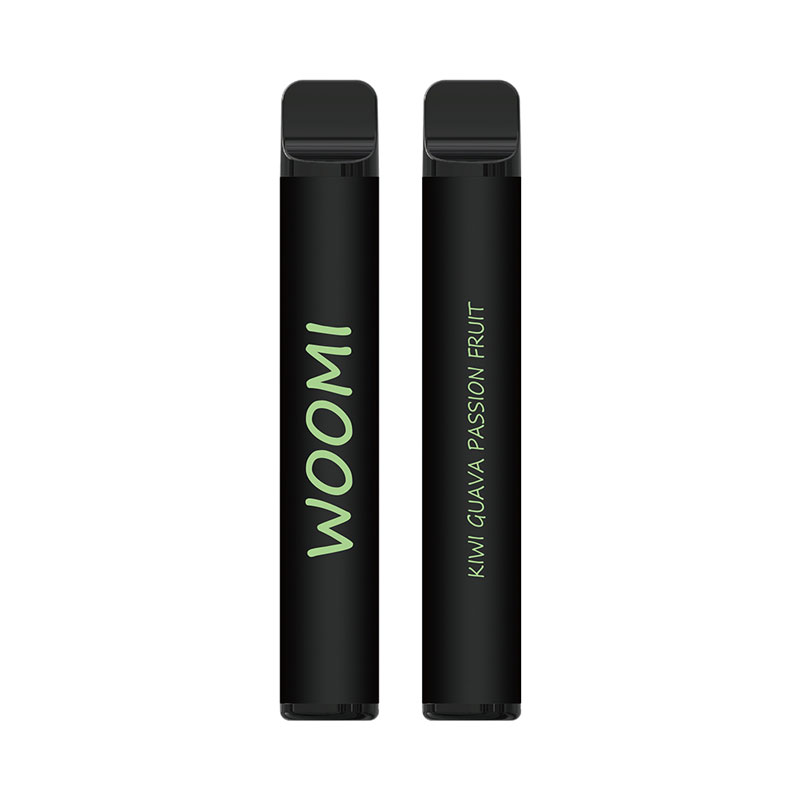
The vaping industry has witnessed a significant transformation with the rise of disposable devices, particularly in the European market. Among the latest innovations are high-capacity models like the Woomi Poko and RandM Tornado, which offer an impressive 18,000 puffs per device. This remarkable puff count is increasingly appealing to vapers seeking convenience and extended usage in a single product. The devices are equipped with features such as Type-C fast charging, leak-proof designs, and smart displays, enhancing user experience and ensuring product reliability.

According to recent industry reports, the disposable vape market is projected to continue its upward trend, driven by increased demand for portable and hassle-free products. The inclusion of varying nicotine strengths, particularly the popular 20mg and 50mg options, caters to a diverse audience, whether they prefer a stronger hit or a milder sensation. The focus on user-friendly features, such as RGB lights for aesthetic appeal and durability with an 850mAh battery, reflects ongoing innovation aimed at enhancing the vaping experience.

With EU stock availability and direct delivery promises, consumers now enjoy unprecedented accessibility to cutting-edge vaping solutions. The trend towards bulk orders suggests a growing community of enthusiasts who appreciate both the convenience and quality offered by these disposable devices. As the market evolves, products like the Woomi Poko and RandM Tornado exemplify the shift towards efficiency and user satisfaction in the vape landscape.

FAQS

: What are the common ingredients in nicotine vapes?

: Common ingredients include propylene glycol and vegetable glycerin. They produce vapor when heated.

How does a nicotine vape work?

A battery heats the e-liquid, turning it into vapor. Users inhale this vapor to consume nicotine.

What short-term health effects can users experience?

Users may notice increased heart rate, anxiety, throat irritation, coughing, or headaches after vaping.

Is vaping a safer alternative to smoking?

Vaping is often viewed as safer than smoking, but it still poses health risks. Many users overlook these.

What is nicotine addiction?

Nicotine addiction occurs when users develop a dependence on nicotine. It can change brain pathways related to pleasure.

Can users quit vaping easily?

Many users struggle to quit. A survey indicates about 50% want to stop but feel unable.

How should users approach ingredient labels?

Users must read ingredient labels carefully. Not all ingredients are safe, and informed choices are crucial.

What might happen in social settings?

Users may vape more frequently in social situations. This can increase exposure to health risks.

What are some reflections for vape users?

It’s essential to consider long-term health while enjoying short-term satisfaction. Reflect on personal health goals.

Are there alternatives to nicotine vapes?

Alternatives include nicotine gum and nicotine pouches. They offer different nicotine release rates and convenience.

Conclusion

Nicotine vape has gained significant popularity in recent years, primarily among young adults, due to its perceived safety compared to traditional smoking. These vaping devices deliver nicotine in a vaporized form, comprising various chemical components that may pose health risks. Short-term effects can include increased heart rate and respiratory irritation, while long-term use is associated with serious health concerns like respiratory diseases and cardiovascular issues.

Nicotine addiction remains a critical issue for vape users, often leading to a cycle of dependence similar to traditional smoking. This growing trend has prompted public health officials to evaluate regulations surrounding nicotine vaping to safeguard community health and prevent youth access. Understanding the benefits and risks associated with nicotine vape is essential for making informed choices regarding its use.

Lila

Lila

Lila is a dedicated marketing professional at Shenzhen Yongtai Technology Co., Ltd., where she leverages her extensive expertise to promote the company’s cutting-edge products and services. With a strong background in technology marketing, Lila excels in creating engaging and informative content......
Previous Global Market Insights for Puff Bar in 2025