
 Pixo 50K Pro
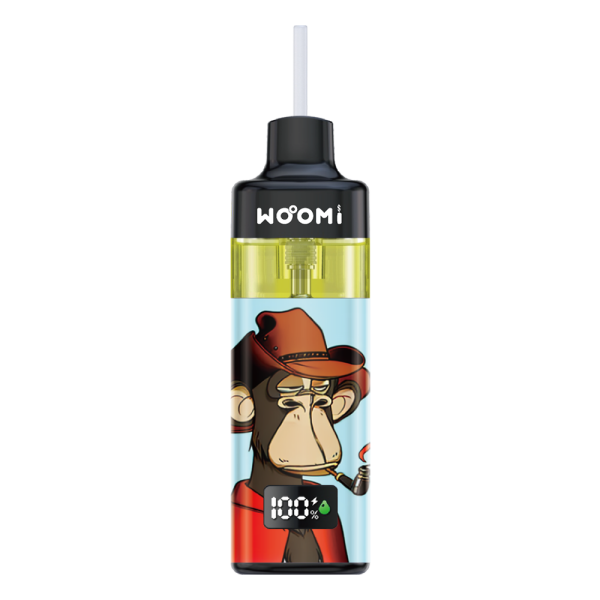 ECOM 24000
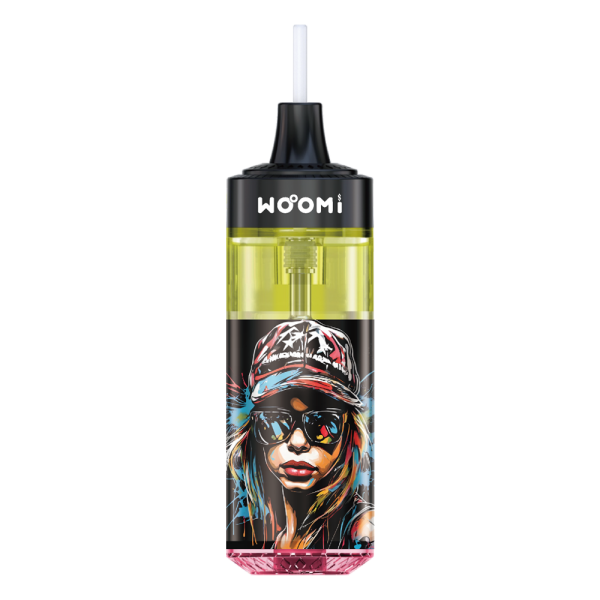 TANGO 24000
 GK 15000
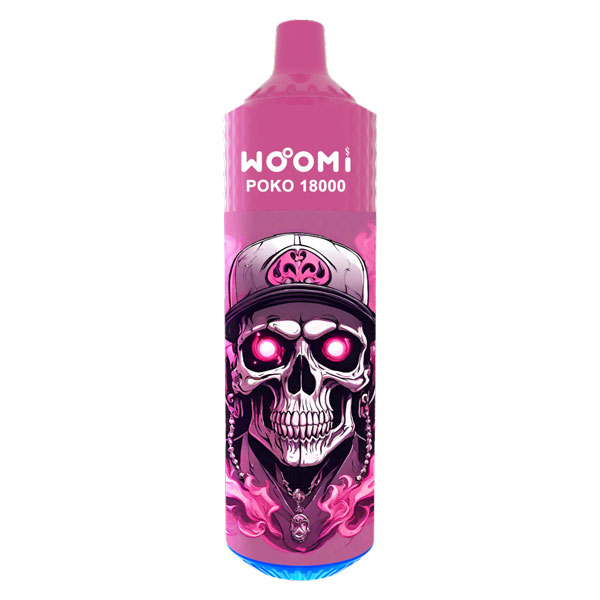 Poko 18000
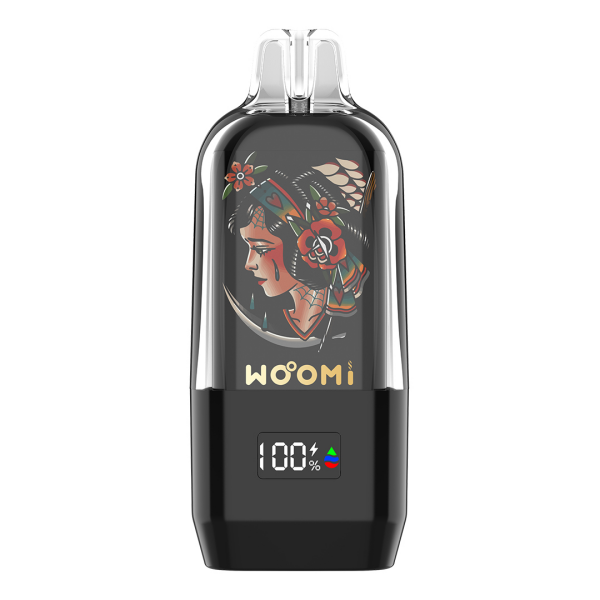 Halo 15000
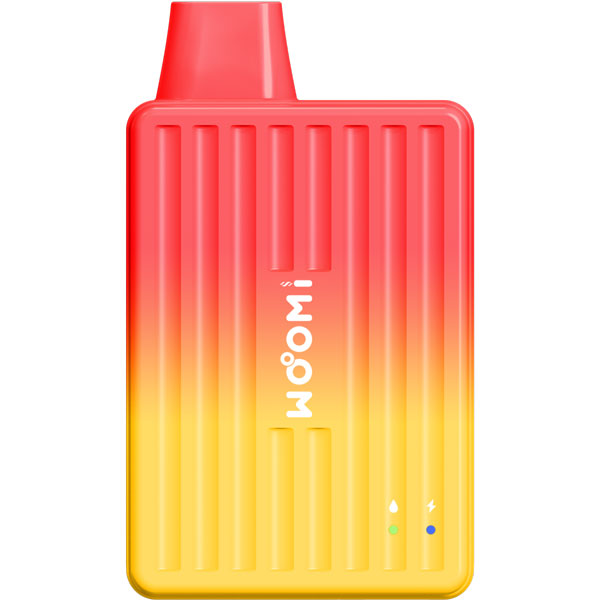 Jupiter 10000
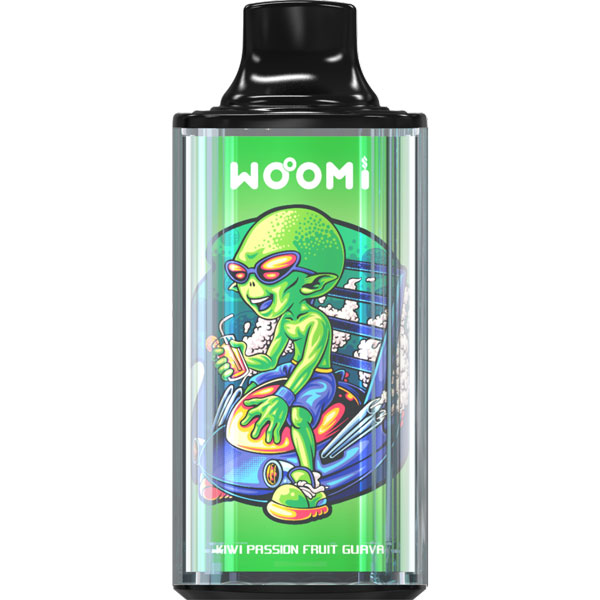 Space 18000
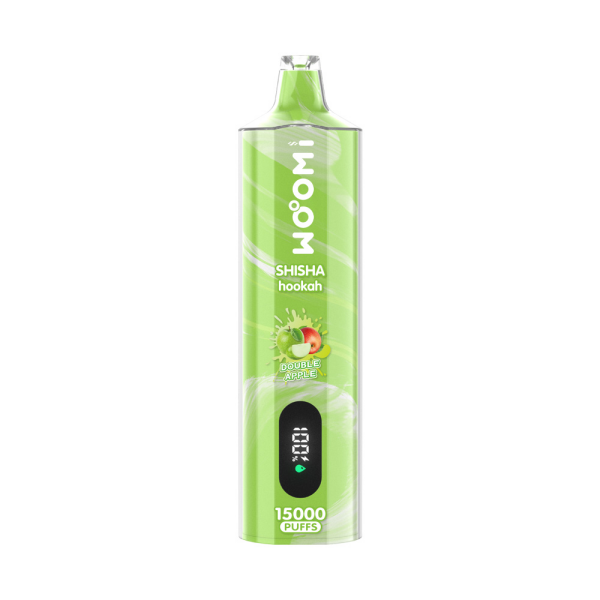 Glow 15000
 Twin 20000
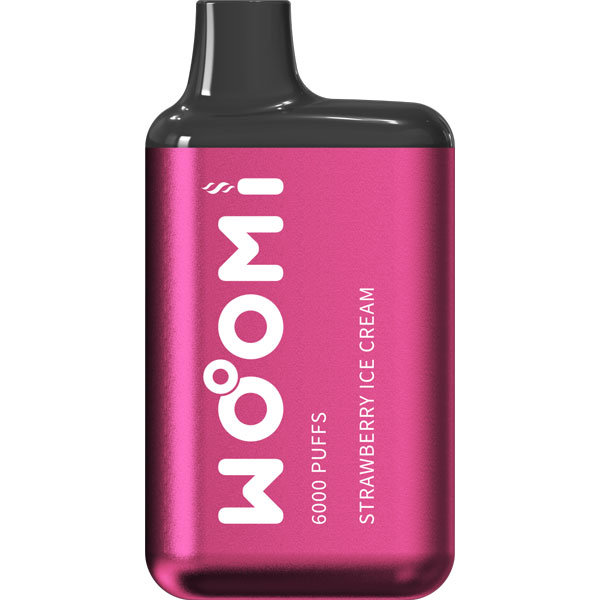 Venus 6000
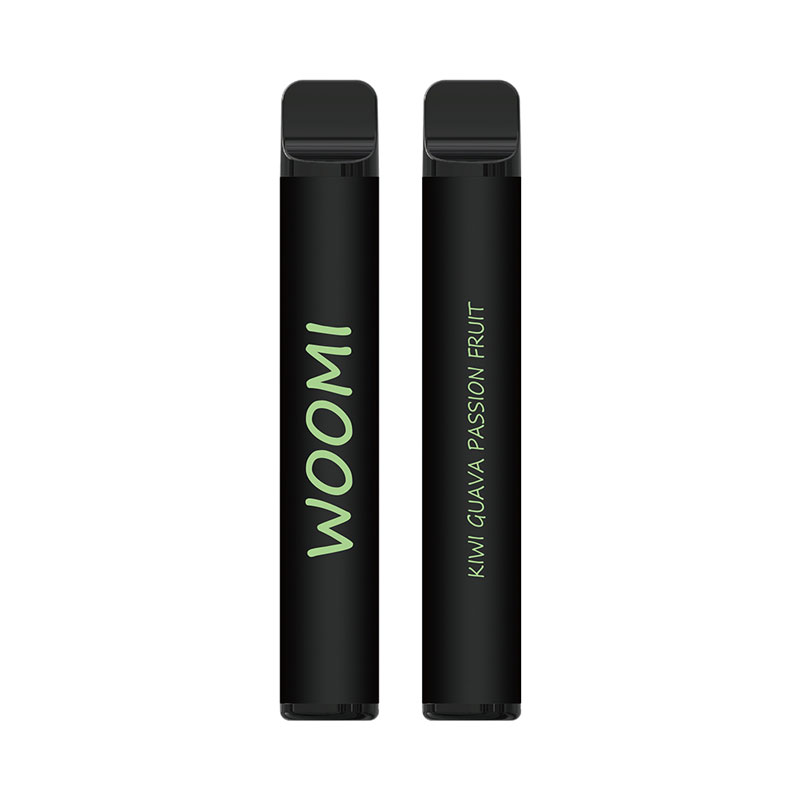 Rock 600
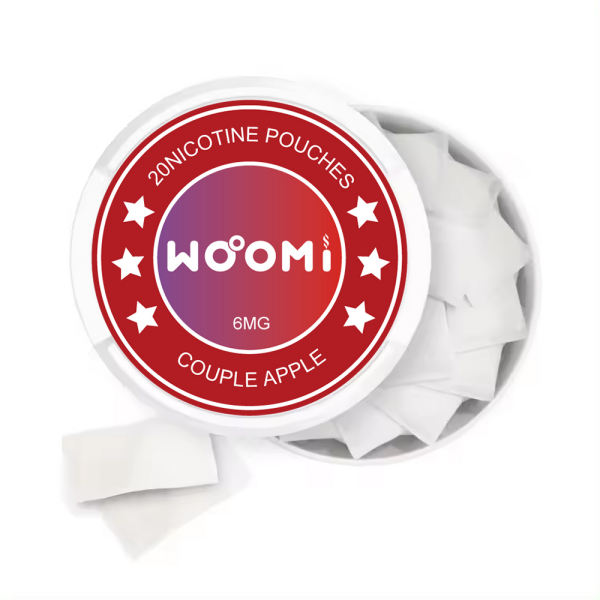 3mg
3mg 6mg
6mg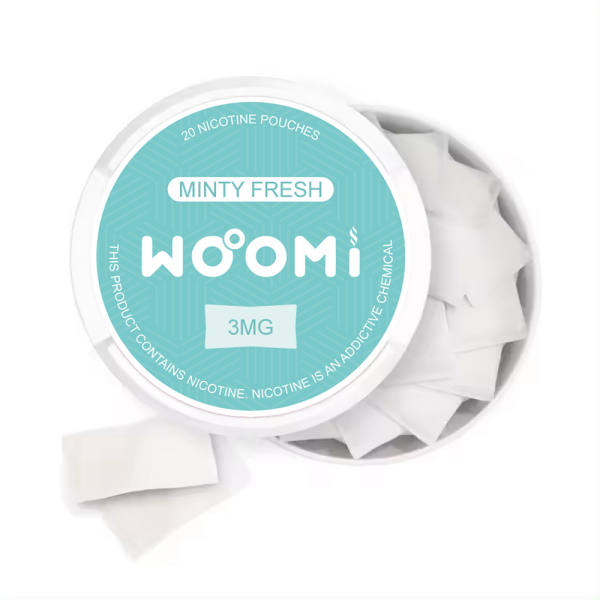 12mg
12mg Arise
Arise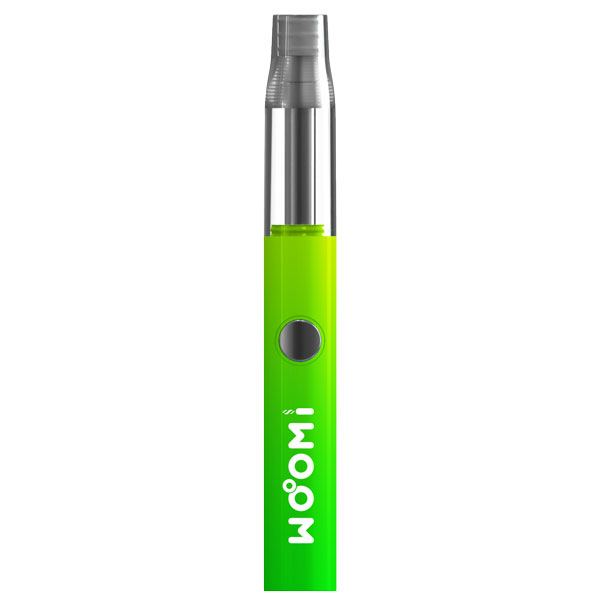 Gemini
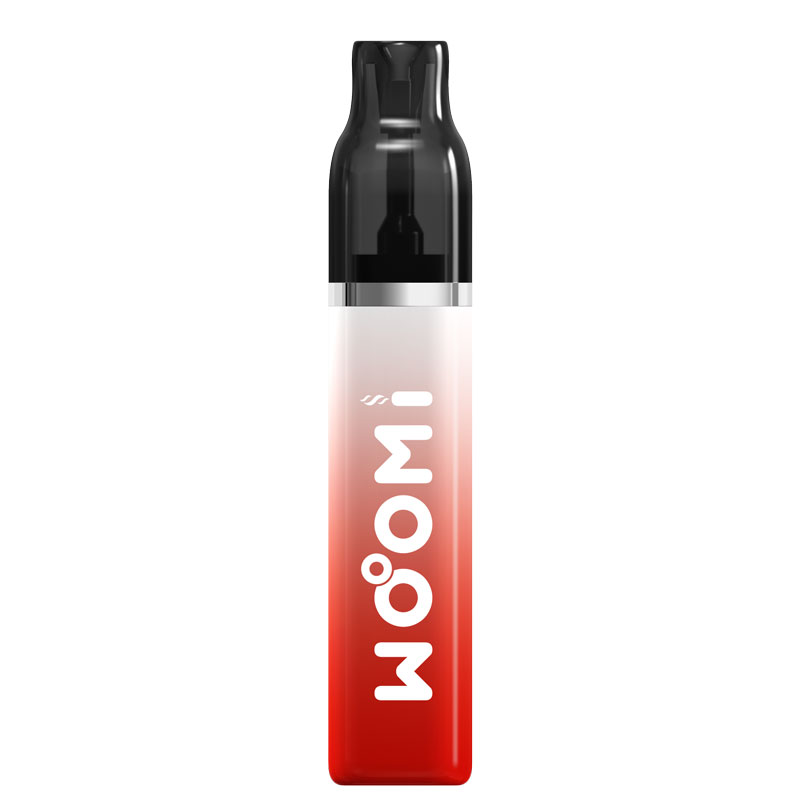 Leo
Leo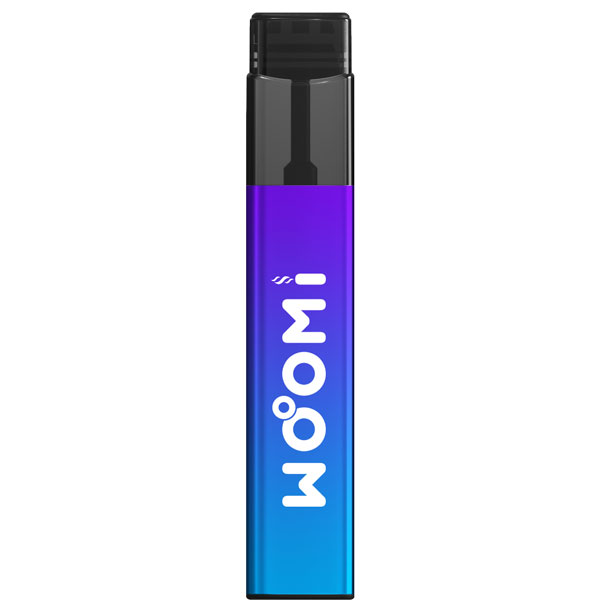 Libra
Libra




Multi-Step Content Paths Are Becoming More Valuable for GEO-Friendly Sites
Multi-step content paths are becoming more valuable for GEO-friendly sites because they help AI systems understand how related topics connect. A single page can explain one topic well, but a connected set of pages often gives stronger signals about how a site organizes its knowledge and how a user should move from one stage of understanding to the next.
This is particularly relevant in B2B categories where buying decisions rarely happen on one page. A visitor may begin with a category page, move to a comparison piece, then review an OEM or manufacturer page, and finally reach a product-specific or inquiry-focused destination. Sites that make that path clearer are often easier to understand at both the user level and the search-system level.
From a Google SEO perspective, connected content paths can improve internal topical depth and help search engines interpret which pages are foundational and which pages are supporting assets. From a GEO perspective, the structure gives AI systems stronger context around how a topic is defined, compared, and applied in practice.
The most effective path is not simply a chain of links. It is a logical content progression. Each page should answer a distinct question and point naturally to the next one a buyer is likely to ask. That makes the site more useful and reduces the chance that content feels repetitive or disconnected.
As AI-assisted search becomes more common, multi-step content design will likely matter more. Sites that organize knowledge in a way that mirrors the buyer journey are better positioned to support both discoverability and qualified inquiry behavior.